

Baptism of an Organ
Introduction
In the Catholic Church, the organ long held a privileged position, to the point of being considered the instrument par excellence of the liturgy. Its ability to support singing, fill the space, and accompany solemn moments made it particularly well suited to collective prayer. This primacy was part of a conception of sacred music characterized by the pursuit of elevation, order, and continuity with a structured Western artistic tradition.
The Second Vatican Council nevertheless introduced a significant evolution by opening the liturgy to a greater diversity of musical expressions. Without calling into question the place of the organ, it allowed the integration of other instruments, provided they were appropriate to the sacred character of the celebrations. This reform went hand in hand with a broader desire to make the liturgy more accessible and vibrant, notably through the use of vernacular languages and increased participation of the faithful. In this context, places of worship also became spaces more open to different musical forms, fostering a dialogue between liturgical tradition and contemporary expressions.
In Catholic tradition, one sometimes speaks poetically of the “baptism” of the liturgical organ. The term, however, is not theologically precise: it does not refer to a sacrament comparable to Christian baptism, which is reserved for persons. It is rather a solemn rite of blessing provided for in the liturgical ritual. This ceremony marks the official entry of the instrument into its sacred function. After its blessing, incensation, and the invocations pronounced by the bishop — who calls upon the organ to “awaken” and to respond with sound — the instrument is consecrated to the praise of God and the service of the assembly. This ritual dialogue gives it a singular presence in the liturgical space, as if it had received its own voice.
Thus, one can say, in a symbolic sense, that the organ becomes a kind of “liturgical person” — not that it acquires a personality in the strict sense, but because it enters into an active relationship with the community of believers. It is no longer reduced to a mere technical object: it becomes an actor in the rite, a sonic mediator between human speech and spiritual elevation. When it responds to the celebrant’s invocations, it is as though it is called to take part in the collective prayer, to support the voices, and to carry the breath of the assembly toward the sacred. This ritual personification says much about the exceptional place granted to the organ in the Christian tradition: that of an instrument invested with a mission, almost a vocation, in the service of the mystery being celebrated.
Why Build a Pipe Organ in a Church Today?
It is a surprising project, perhaps even a somewhat unconventional one. Why build an instrument in a church where fewer and fewer ceremonies are held, where congregations are becoming smaller, while liturgical music has, for several decades now, increasingly relied on more fashionable instruments such as the guitar, drums, or synthesizer? Why invest so much money in music when so many other causes are seeking support?
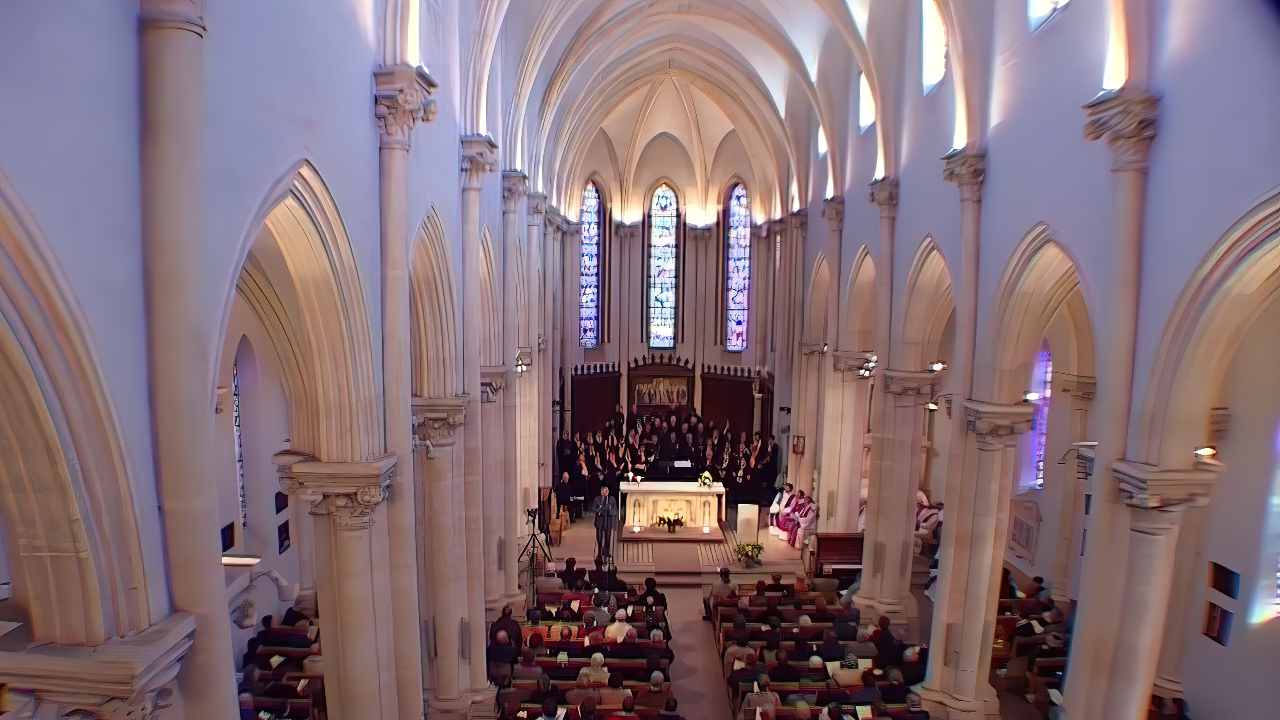
The town of Savigny was fortunate to have a church with acoustics renowned among the musicians and choirs who came to perform there.
There was also a shared desire among many residents of Savigny to take part in creating something that would become part of the heritage passed on to future generations: a unifying organ serving musical emotion, meditation, and community gathering, beyond religious, philosophical, or political divisions. An organ worthy of promoting the learning and discovery of a rich repertoire that has been handed down and continuously enriched for more than five centuries. An organ capable of inspiring young talents to carry this cultural momentum forward.





A Brief History of the Savigny Organ
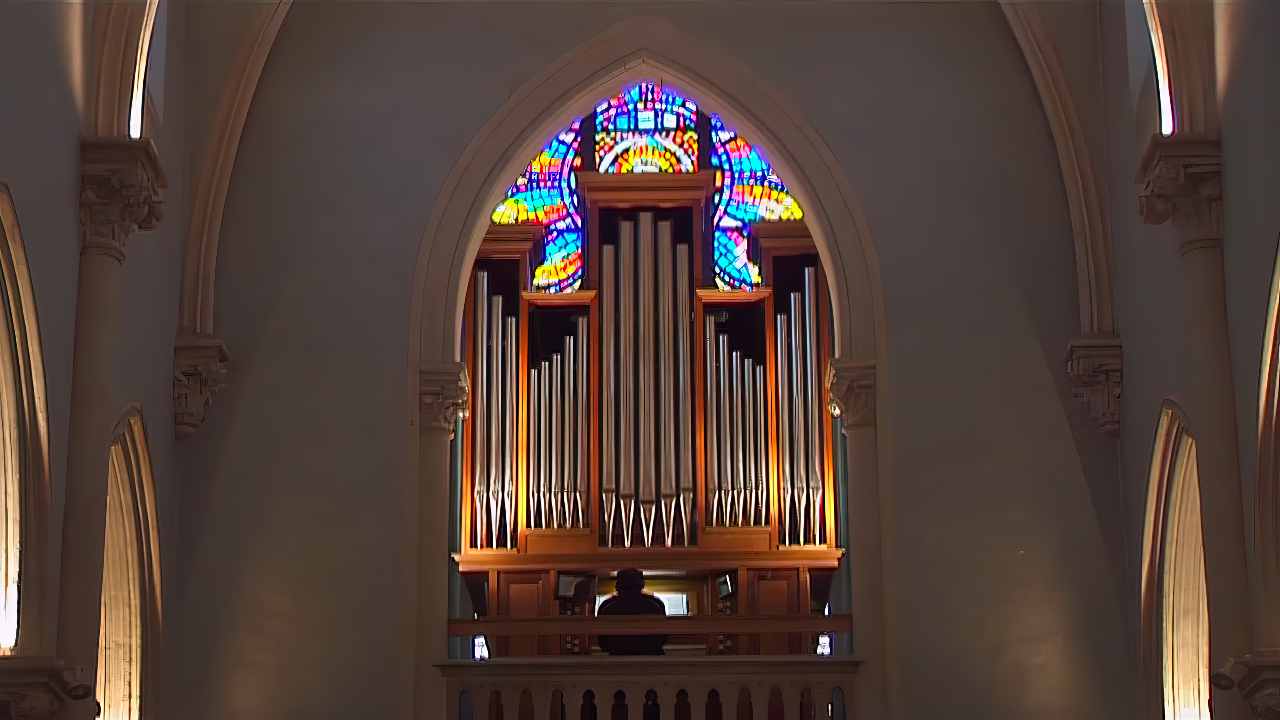
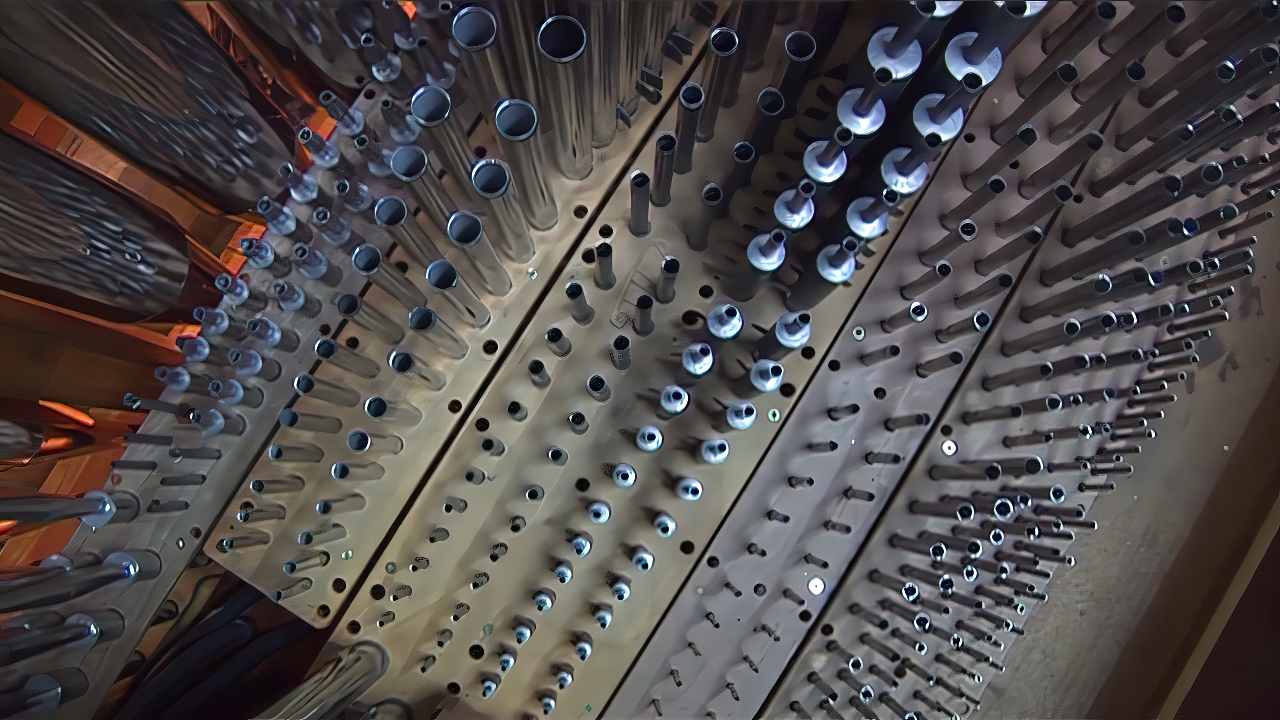
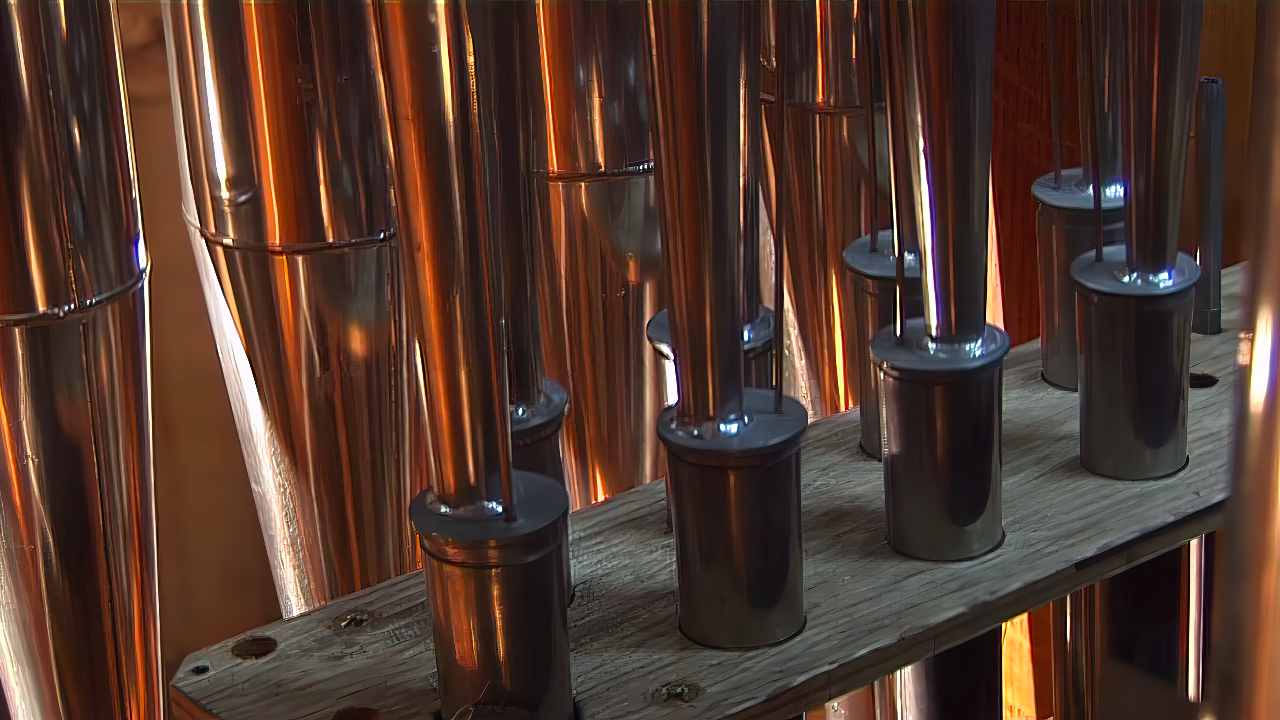
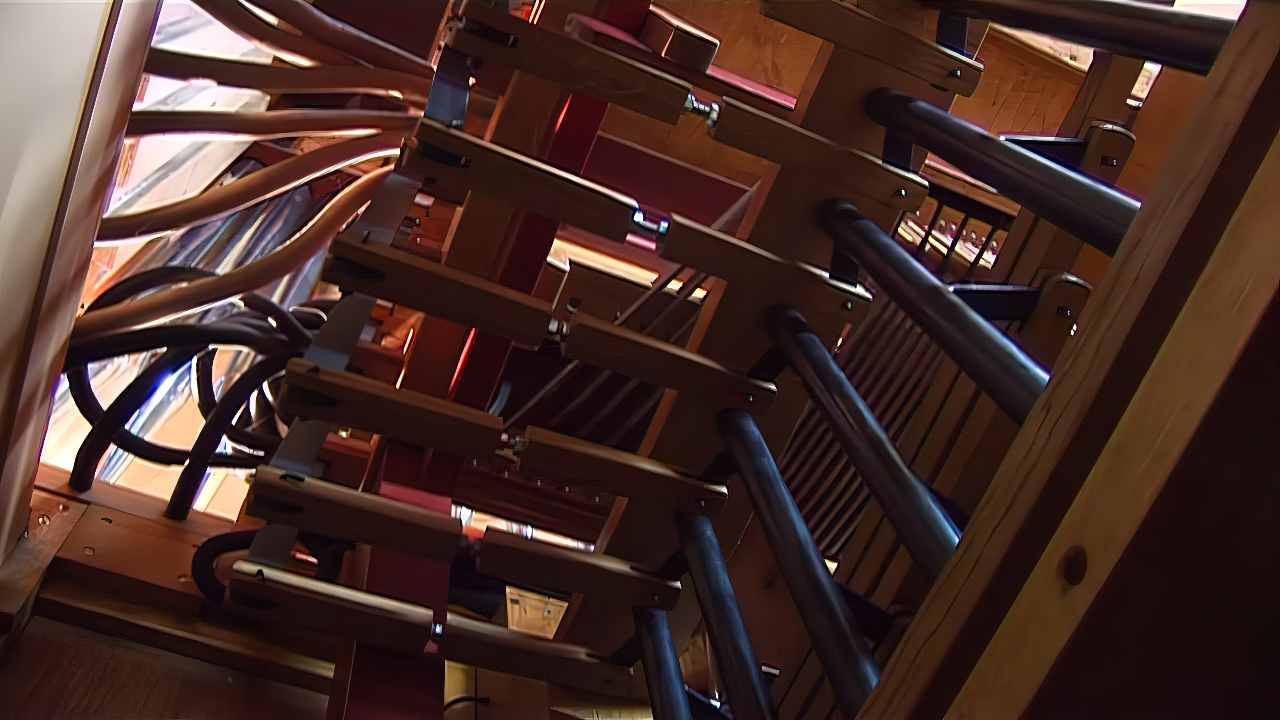
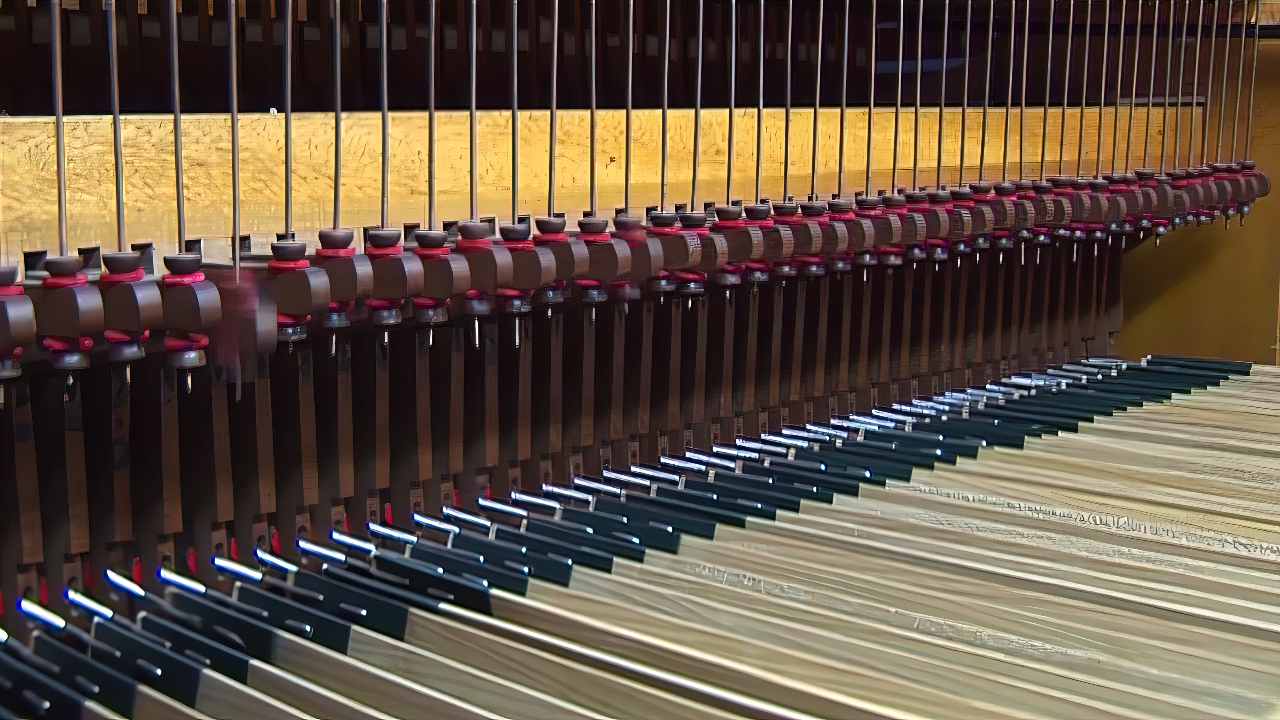
It is an instrument of English origin built in 1932 by organ builder George Osmond in Towton, Somerset. Originally, it consisted of eight stops. Acquired by Paul Manuel, an organ builder based in Hauteville (Ain), it was redesigned and transformed. The windchests were rebuilt and enlarged, while additional stops and a new bellows were added.
Interrupted in 2002, the project was later resumed by Dominique Lalmand, an organ builder from Dole. He introduced further modifications and improvements: a new blower was installed, several stops were completed or renewed, and the zinc façade pipes were replaced with new tin pipes.
The instrument was finally installed in the gallery at the end of 2004. The restoration project, initiated in 1999, lasted five years. The organ was inaugurated by Louis Robilliard in December of that same year and blessed by Thierry Brac de la Perrière, Auxiliary Bishop of Lyon, on December 18, 2004, with Didier Martel at the console.
Stops and Dimensions
Great Organ (7 stops)
- Open Diapason 8’
- Chimney Flute 8’
- Principal 4’
- Fifteenth 2’
- Mixture II
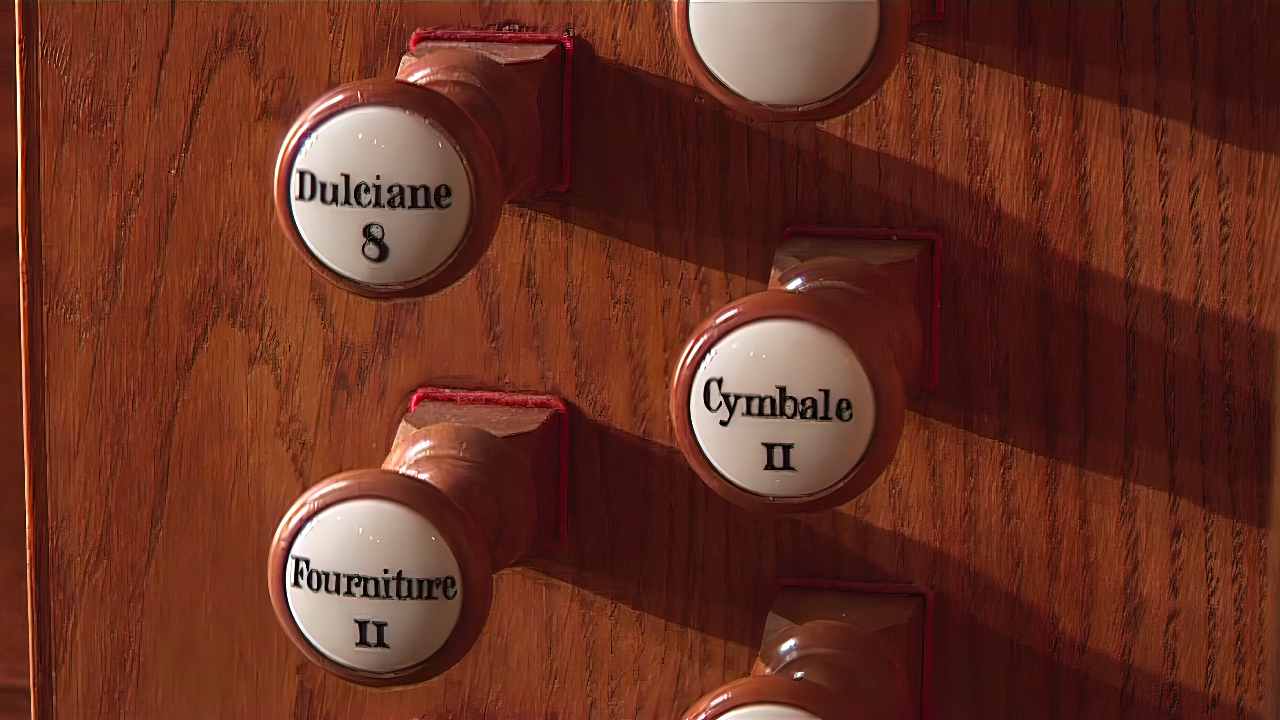
- Cymbal II
- Dulciana 8’ (reed stop)
Swell Organ (7 stops)
- Salicional 8’
- Bourdon 8’
- Gemshorn 4’
- Nazard 2 2/3’
- Flageolet 2’
- Tierce 1 3/5’
Pedal (2 stops)
- Subbass 16’
- Flute 8’
- Manuals and Couplers
- Dual console with 61-note manuals
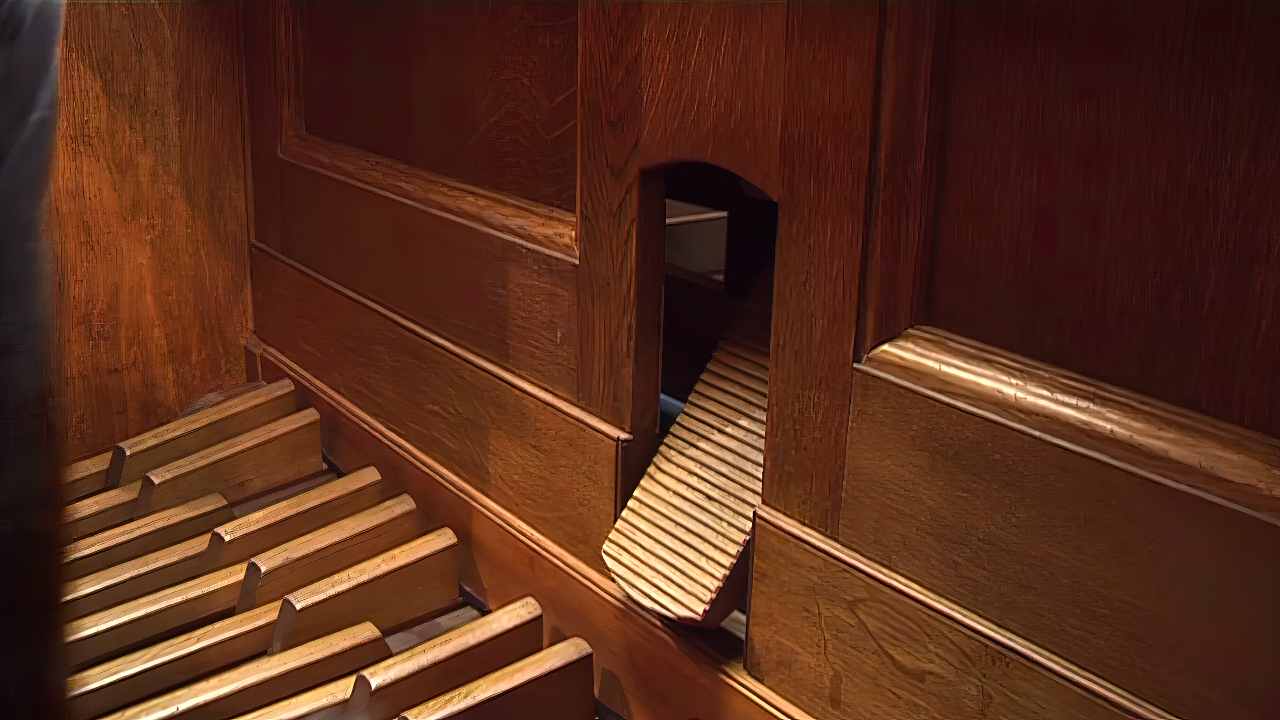
- 30-note pedalboard
Great to Pedal coupler
- Swell to Pedal coupler
- Swell to Great coupler
- Swell octave coupler (super octave)
Dimensions
- Width of lower section: 2.20 m
- Width of upper section: 2.80 m
- Height of central flat façade: 4.90 m
- Total depth: 3.30 m
The Role of the Organ and Music in the Liturgy
On September 13, 2006, in the Basilica of Our Lady of the Old Chapel in Regensburg, Germany, Pope Benedict XVI explained the importance of the beauty of the assembly's singing and sacred music before blessing an organ: "Music and singing are more than an embellishment, even a superfluous one, of worship. Indeed, they are part of the implementation of the liturgy; indeed, they are themselves liturgy. Sacred, solemn music with choir, organ, orchestra, and the singing of the people is therefore not an addition that frames the liturgy or makes it pleasant, but an important way of actively participating in the cultic event."
He declared: "This venerable house of God, the Basilica of Our Lady of the Old Chapel, has been splendidly restored — as can be seen — and today it receives a new organ which is to be blessed and solemnly destined for its purpose: the glorification of God and the edification of faith."
Emphasizing the specificity of the organ, the Pope explained how this instrument is capable of translating human feelings and the greatness of God: "The organ has always and rightly been called 'the king of musical instruments,' because it takes up all the sounds of creation and echoes the fullness of human sentiments, from joy to sadness, from praise to lamentation. Furthermore, like all quality music, by transcending the merely human sphere, it points back to the divine. The great variety of the organ's timbres, from the piano to the overwhelming fortissimo, makes it one of the instruments superior to all others. It is capable of echoing all realms of human existence. The multiple possibilities of the organ remind us, in a certain way, of the immensity and magnificence of God."
The Pope cited Bach and Bruckner as having explicitly had this concern for giving glory to God: "Through their music, the great composers ultimately want, each in their own way, to glorify God. Above the title of many of his scores, Johann Sebastian Bach wrote the letters: S.D.G.: Soli Deo Gloria, 'To the sole glory of God.' Anton Bruckner also placed at the beginning the words: 'Dedicated to the Good Lord.' May all who visit this magnificent basilica be led, through the grandeur of the building and through the liturgy enriched by the harmony of the new organ, and by the solemn singing, to the joy of faith! This is my wish on the day of the inauguration of this new organ."
Commentary on Pope Benedict XVI’s Address
The Pope describes the organ as the "king of instruments" and considers it to hold a prominent place in the liturgical musical tradition. This appreciation is rooted in a history and sensibility specific to Western Christian culture. However, it may appear partial when compared to the diversity of musical expressions around the world.
Many traditions indeed give a central place to other forms of sound, sometimes more directly linked to emotion, community, or spiritual experience. One might think, for example, of the funeral chants of the Toraja of Sulawesi, where hundreds of voices gather to offer praise and collective memory.
Furthermore, while the Church played a decisive role in the development of classical music by supporting many composers in the service of the liturgy, this structuring has sometimes coexisted with, or relegated to the background, more spontaneous forms of popular creativity.
On a global scale, spiritual practices demonstrate a great diversity of means of expression: varied instruments, song, dance, offerings, perfumes, or trance states have, for millennia, participated in the relationship between humans and the sacred.
The grandiloquence of the organ, and the pomp that sometimes surrounds it, seems to create "efficacy" akin to the funeral chants of the Toraja (chants funéraires des Toraja). To borrow the words of ethnomusicologist Dana Rappoport and apply them to the organ: "Before having played the organ, one has less of something; after having played, one has more of something (immaterial)."
The symbolism of the organ as seen by Pope Benedict XVI
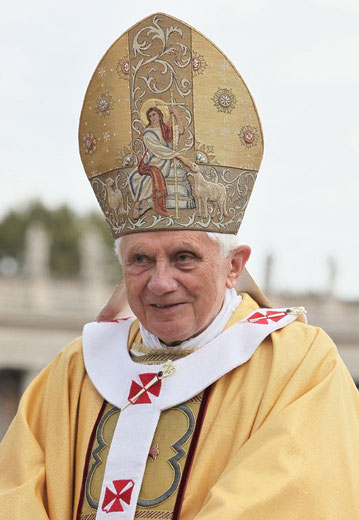
The organ and its many pipes offer an image of the Church, explains Benedict XVI: "An expert hand must adjust the disharmonies to restore harmony, communion. In an organ, the many pipes and the many stops must form a unity. If, here or there, something gets stuck, if a pipe is out of tune, it may only be noticeable at first to a trained ear. But if several pipes are out of tune, it plays falsely, and the thing becomes unbearable. The pipes of this organ are also exposed to changes in temperature and factors that wear it out. This is an image of our community in the Church. Just as in the organ, an expert hand must continually restore disharmonies to the right consonance, so too in the Church, amidst the variety of gifts and charisms, we must continually find harmony in praise and fraternal love, through the communion of faith. The more we allow ourselves to be transformed into Christ through the liturgy, the more we will be capable of transforming the world as well, radiating Christ's goodness, mercy, and love for humanity."
Baptism and blessing of the Savigny organ
This is an exceptional and rare document, consisting of the baptism of an organ, that of the church of Savigny (Rhône), blessed on December 18, 2004, by Monseigneur Thierry Brac de la Perrière, auxiliary bishop of Lyon. For this video sequence, we chose to focus exclusively on the dialogue between the religious authority and the organ, culminating in the blessing of the latter. Many preliminary rites, both secular and religious, had preceded this moment. Under the fingers and feet of organist Didier Martel, the organ then speaks — or rather sings — through a series of short improvisations that gradually reveal all its expressive richness.
The Step-by-Step Sequence
Location & date: Savigny
(Rhône), France. December 18, 2004.
Duration: 11:43.
© Patrick Kersalé 2004-2026.
00:00 Opening credits.
00:15 "Awaken, organ, sacred instrument, intone the praise of God our Creator and our Father."
01:21 "Organ, sacred instrument, celebrate Jesus our Lord who died and rose for us."
02:36 "Organ, sacred instrument, sing the Holy Spirit who animates our lives with the breath of God."
03:59 "Organ, sacred instrument, raise our songs and supplications to Mary, the mother of Jesus."
05:13 "Organ, sacred instrument, lead the assembly of the faithful into the thanksgiving of Christ."
06:48 "Organ, sacred instrument, bring the comfort of faith to those who are in sorrow."
08:01 "Organ, sacred instrument, support the prayer of Christians."
09:04 "Organ, sacred instrument, proclaim glory to the Father, the Son, and the Holy Spirit."
10:22 Blessing of the organ.